







Marc Darrow, MD, JD.
Many people contact our office asking about temporomandibular joint (TMJ) treatments. For the most part they are contacting us to learn about the possibilities of how regenerative medicine injections may help them. Among these injections are bone marrow aspirate concentrate (a procedure that uses cells from your own bone marrow to initiate healing) and Platelet Rich Plasma injections. Doctors use these treatments in orthopedic conditions such as osteoarthritis, joint degenerative disease, neck and back pain), and for the purpose of this article problems of TMJ and TMJD (Temporomandibular joint dysfunction).
The temporomandibular joint (TMJ) is located where the jawbone meets the cranium. The condition known as temporomandibular joint syndrome develops from a combination of interrelated factors, usually starting with poor head posture, that contribute to the stretching and weakening of the cervical ligaments and lateral TMJ ligaments. As a result, the lower jaw can slip forward, aggravating the situation further by putting additional stress on the ligaments and the joints.
Conventional treatments include:
- TMJ arthroscopy and various types of surgery,
- TMJ implants,
- injections of botulinum toxins, and
- cauterization.
All of these treatments are invasive and somewhat risky, and their use as the chosen treatment for TMJ may ignore or even cause negative consequences.
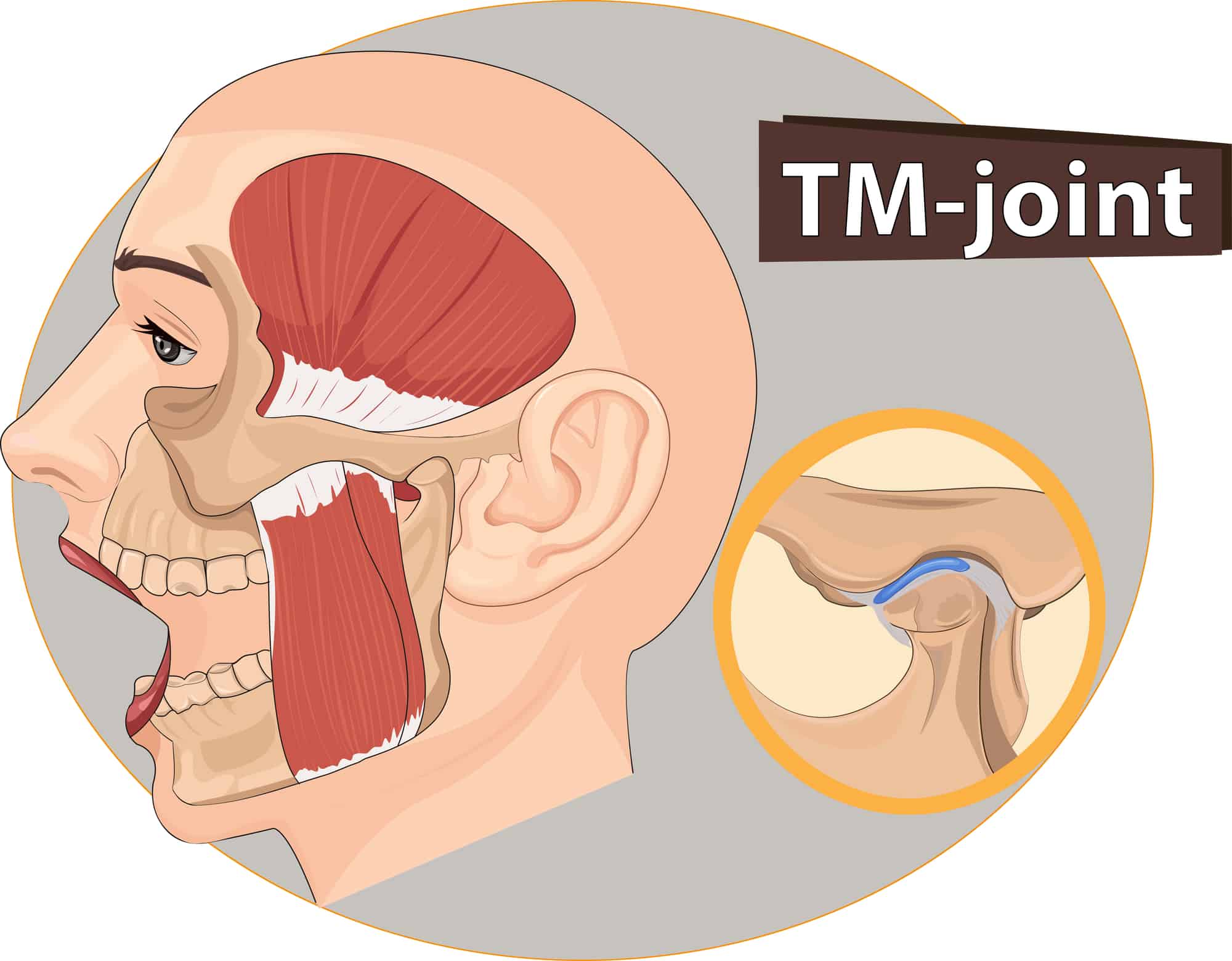
Misdiagnosis and insufficient treatment of Temporomandibular Joint (TMJ) disorders is a common occurrence in patients with difficult to treat head and jaw pain. Research like that below have demonstrated that many healthcare providers are not familiar enough with the intricacies of TMJ dysfunction and related problems to make an accurate diagnosis,
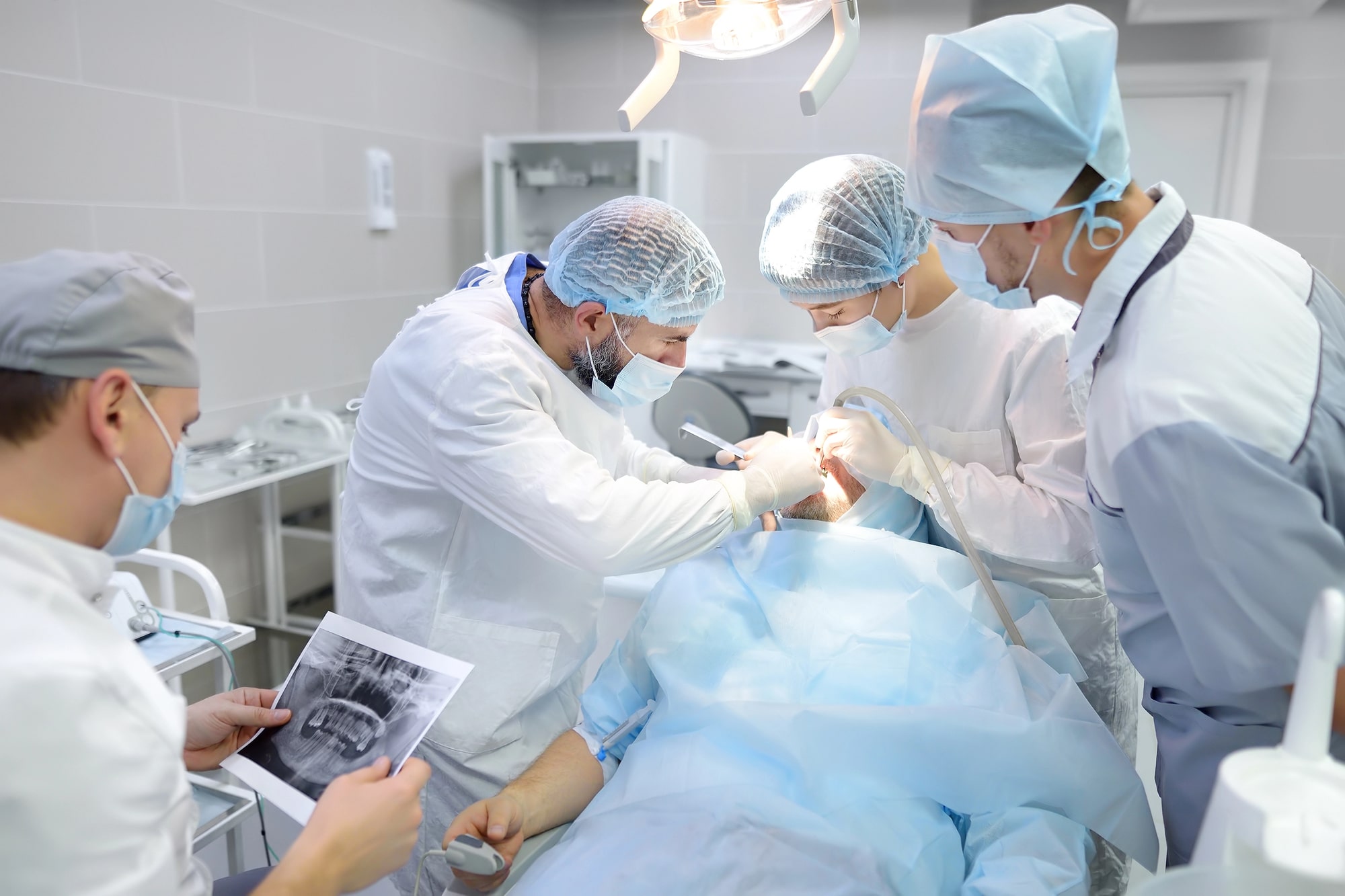
Symptoms such as facial pain, headaches, and earaches are often confused with other health issues, which can delay the correct diagnosis and create a negative consequence in these patients.
The problem of negative consequences is discussed in a 2021 paper in the Journal of oral rehabilitation (1) where worsening conditions “caused by medical care” becomes a significant problem for some TMJ sufferers. The authors of this paper write:
“Regarding iatrogenesis (caused by medical care), sins of omission may influence the clinical picture, with the main ones being misdiagnosis and undertreatment. Joint repositioning strategies, occlusal modifications, abuse of oral appliances, use of diagnostic technologies, nocebo effect (an expectation that the medical treatment you are being recommended to won’t work), and complications with intracapsular treatments are the most frequent sins of commission that may contribute to chronification of TMDs.”
Unnecessary overtreatment
The same researchers wrote in 2023 (2) about how “some management practices in the field of orofacial musculoskeletal disorders (also described as temporomandibular disorders [TMDs]) are based on (surgical) concepts about occlusal relationships, condyle positions, or functional guidance; for some patients, these procedures may be producing successful outcomes in terms of symptom reduction, but in many cases, they can be examples of unnecessary overtreatment.” The suggestion is the patient may have been getting more surgery than was necessary or getting surgery when conservative care would have worked just as well. The idea is that overtreatment may have been unnecessary or overcomplicated surgery.
Free phone consultation
With over 27 years of experience, Dr. Marc Darrow and his team are pioneers in regenerative treatments, offering expert insights and personalized care tailored to your needs.
Schedule a free phone consultation today and receive our exclusive Regenerative Medicine Stem Cell & PRP Quick Start Guide —a digital resource packed with:
- Insights into Stem Cell & PRP Therapy
- Research-backed treatments for chronic tendon injuries, joint pain, arthritis, and sports injuries
Take the first step toward a pain-free, active life today.
Call for a free phone consultation with our staff 800-300-9300
Related articles
References
1 Greene CS, Manfredini D. Transitioning to Chronic TMD Pain: A Combination of Patient Vulnerabilities and Iatrogenesis. J Oral Rehabil. 2021 May 9. doi: 10.1111/joor.13180. Epub ahead of print. PMID: 33966303.
2 Greene CS, Manfredini D. Overtreatment” Successes”–What Are the Negative Consequences for Patients, Dentists, and the Profession?. Journal of Oral & Facial Pain & Headache. 2023 Apr 1;37(2).